

The Role of Property Management in Long-Term Investment Success
October 13, 2026
Learn why professional property management is essential for maintaining property value, reducing risks, and achieving long-term investment goals.

Tammy Crighton-Buck | November 11, 2016
Life in Cayman is all about exploring natural beauty, warm weather, rich heritage, and unmatched simplicity. However, salt, humidity, and direct sun are persistent environmental factors that can impact your home interiors, especially the furniture.
Looking after furniture ensures that it remains clean and inviting. Upkeep and protection on time keep expensive repairs due to warping, rusting, or loose joints at bay.
As a resident or homeowner, or if you are looking for Cayman Islands homes for sale, you must be aware of how to care for your furniture. Here is how the Islands' climatic conditions can affect home furniture:
Considering such challenges, Cayman residents must take utmost care of their furniture and home interiors. This guide will help you keep your furniture in good condition in the Cayman climate!
Before you learn how to professionally care for your Cayman Islands home furniture, learn about the island's environment, lifestyle, and rhythms, and find out how it impacts home interiors. Here are 15 tips to safeguard your furniture in Cayman residences.
The humidity in Cayman Islands can get up to 70% or higher, particularly during rainy periods. This impacts wood, apparel, and even metal elements of furniture.
UV in Cayman is strong. Wood becomes discolored, leather cracks, and fabrics bleach unevenly with direct sunlight.
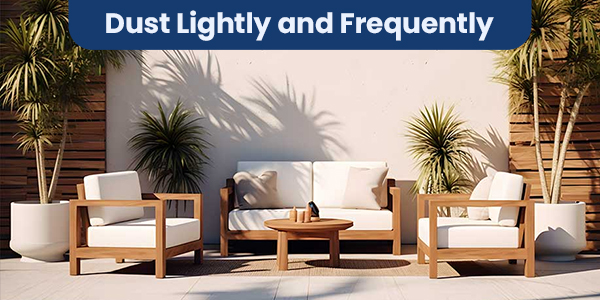
Island homes feature open-air configurations, which enable dust to collect quickly. Too much dust can scratch the surface finishes and introduce moisture.
Certain domestic cleaners have chemicals that can harm finishes or stain upholstery, particularly in high-humidity air.
Furniture surfaces should be protected from heat, spills, and abrasion.
Cayman's temperature fluctuations, like warm mornings and sudden showers, can wreak havoc on the interior temperature of your home.
Wood furniture, especially that made from tropical hardwoods, requires conditioning to remain radiant and intact.
Sun, use, and humidity cycles can cause cushions to wear out unevenly and trap dust mites.
Island life means juice, salt water, and cocktail spills are inevitable. Work quickly and prevent permanent damage.
Wood borers, also known as termites, are the preferred food source of tropical insects.
Displaying collectibles and items requires additional UV protection to maintain their appearance.
Humidity and use can loosen fasteners, risking structural damage or instability.
Although weekly cleaning is a significant help, professional services provide a more intensive treatment, particularly for sensitive materials.
Improper storage leads to stress fractures, warped frames, or mold growth.
Every item of furniture, particularly imported or bespoke items, has special care needs.
Practical and beautiful furniture in your Cayman Islands home adds personality and design to your daily life. However, the island environment poses challenges that need to be addressed.
With regular furniture-maintenance protocols, you can keep your home interiors in their optimal condition for several years. When your home also reflects consideration, not only does it improve your lifestyle, but it also contributes to long-term satisfaction in your Cayman property.
Contact the professionals at Crighton Properties Ltd if you're looking for residential property for sale in the Cayman Islands or relocating to a smart home design in Cayman.
Yes, even though you may not be directly on the beachfront, salt windborne particles tend to find their way onto furniture and rust metals, or leave deposits on wood and glass surfaces. Daily wiping with a dry, soft cloth and periodic deep cleaning are advisable, particularly for houses located on or near the coast.
Select water-resistant materials, such as powder-coated aluminum, and apply UV-resistant coatings. Bring cushions inside when not in use. Waterproof covers, such as those used during the rainy season or patio enclosures, are also common in Cayman to ensure an extended lifespan.
In Cayman, due to the high humidity, it's best to oil exposed wood for a minimum of 6–8 months and wax finished wood for 2–3 years. Look for dullness or dryness on the surface.
Learn why professional property management is essential for maintaining property value, reducing risks, and achieving long-term investment goals.
Explore Cayman seasonal real estate trends and learn how market timing, buyer demand, inventory, and local conditions can influence when to buy, sell, or invest.
Discover how smart home technology is changing buyer expectations, from enhanced security and energy efficiency to convenience, connectivity, and modern living.
